

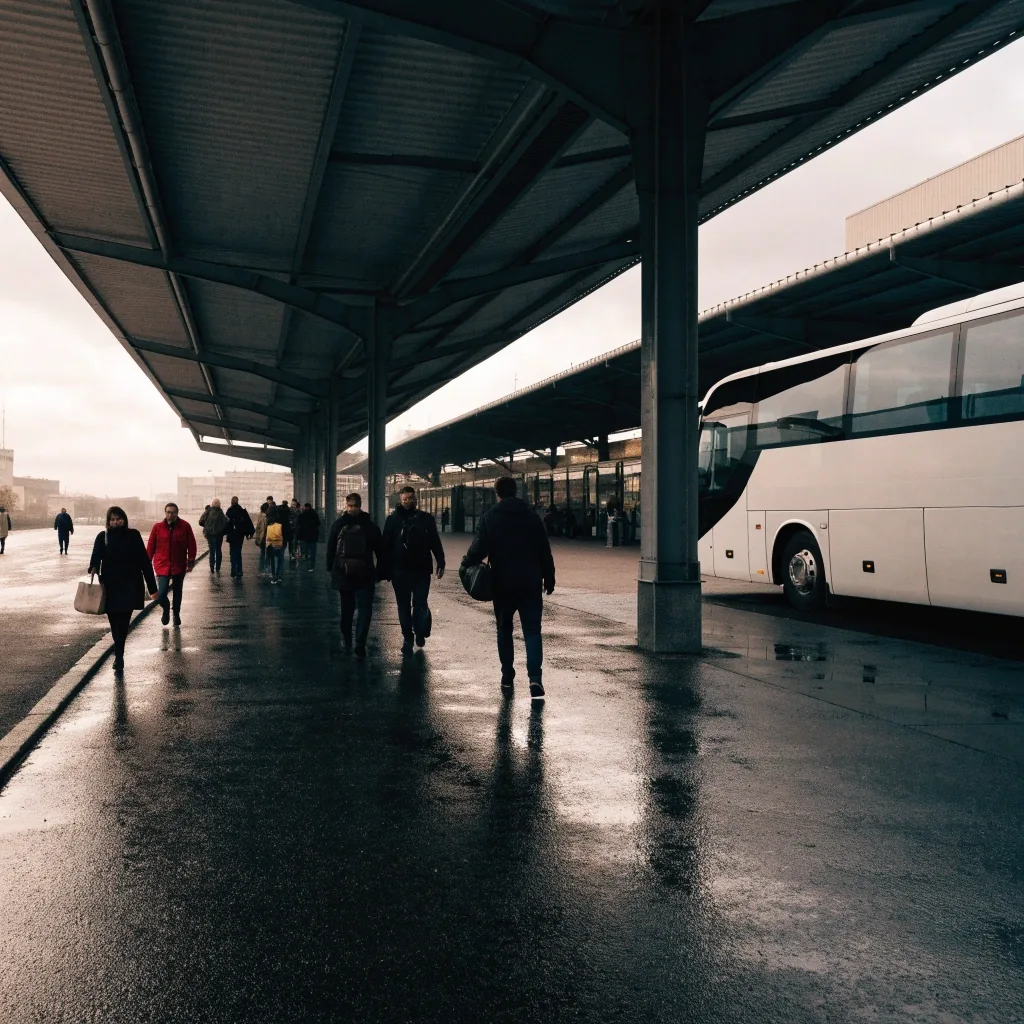
Eye-level view of a Prague bus terminal departure apron in cold morning light, coach flank at left, slab tarmac with long shadows
About the RegioLines.help community

About RegioLines.help and what we do

A community-run guide to regional buses, trains and combined trips across Czechia and into the neighbouring countries — planned from a desk a short walk from the capital's bus terminal.

Who we are

Planning information, not tickets

RegioLines.help is a community-run guide for regional bus, rail and combined travel across Czechia and into nearby countries. We are based in Prague and publish planning information rather than selling tickets. This page explains who runs the site, what we cover, and how we keep it honest. Nothing here is a price quote or a seat reservation — it is the groundwork you use before you open an operator's own booking page.

Spotted something out of date on this page? The contact form takes corrections with the route and the date attached.

Who runs this site

RegioLines.help is operated from Na Florenci 2116, 110 00 Nové Město, Czechia, a short walk from the bus terminal that appears on so many of the routes we write about. That location is practical rather than symbolic: when a reader flags a changed departure stand or a station detail that no longer matches, we can check it on foot instead of guessing from a screen.

The site is small on purpose. Guides are written by people who use these routes, then reviewed against operator timetables before they go live. We are not a travel agency and we do not take commission on bookings, so the only thing pushing a route to the top of a page is how often readers actually need it.

Address
Na Florenci 2116, 110 00 Nové Město, Czechia
Eye-level view of a Prague coach and bus terminal forecourt on an overcast afternoon, unbranded coach at a stand, travellers walking with bags
Office hours

Mon–Fri 09:00–18:00

Outside those hours, messages sit in the queue until the next working morning. Corrections with a date attached are usually handled first.

What we cover

We cover regional bus, rail and combined routes across Czechia and into Slovakia, Austria, Germany and Poland. The Praha-Brno corridor is our deepest coverage, because it is the busiest intercity route in the country and the best place to learn how the network fits together.

From that spine we extend outward: airport transfers, station guides and cross-border planning. On the busiest pairs we compare the train and the coach side by side, so you can see where the faster option is also the more expensive one, or where a cheap fare hides an awkward station change.

Bus coverage
  • Praha-Brno coaches Deep
  • Airport coach links Deep
  • Regional branch lines Light
  • Cross-border services Partial
Rail coverage
  • Praha-Brno trains Deep
  • Main-line station guidance Deep
  • Cross-border rail legs Partial
  • Local branch service Light

Depth means how much detail we can verify today, not how important a route is. Thin coverage still gets a page — it just gets fewer confirmed numbers and more of a warning that times move.

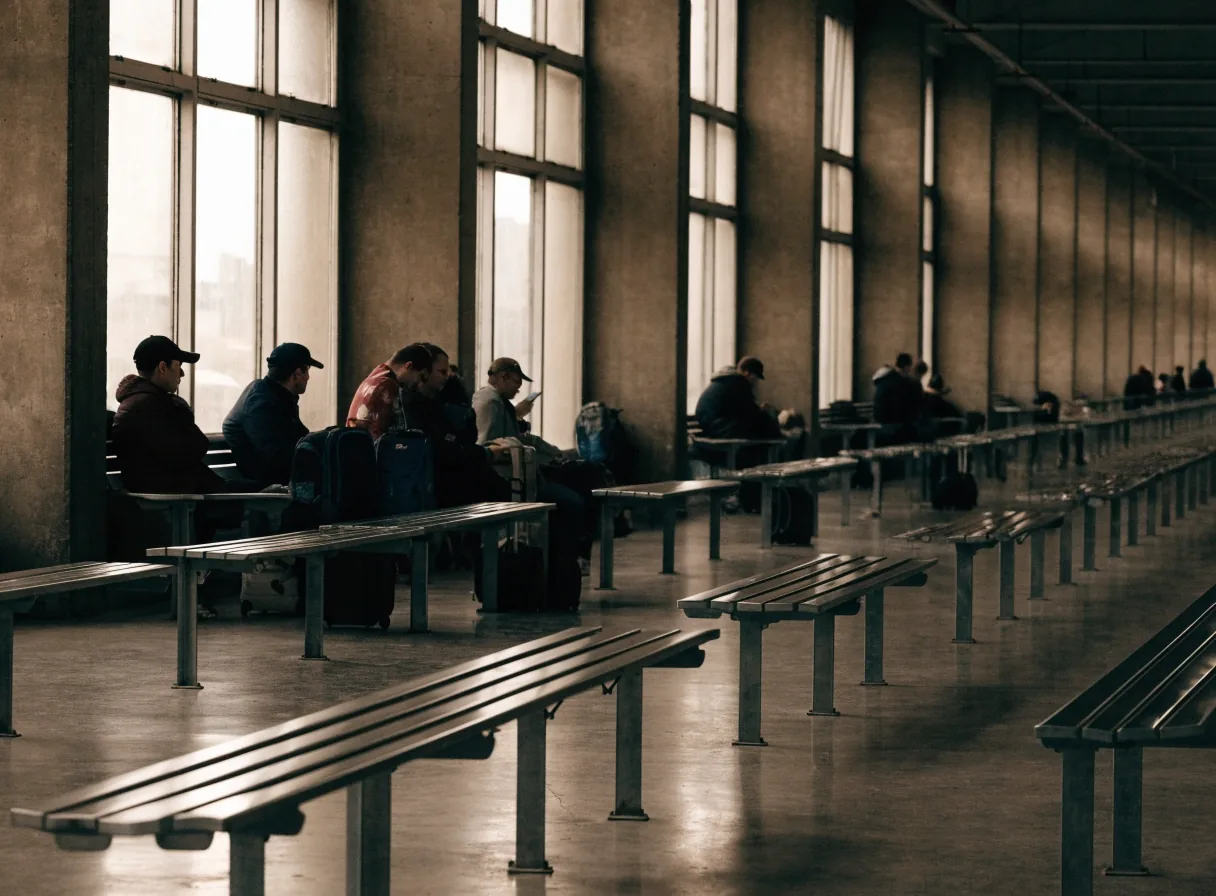
Wide eye-level view of a Czech station concourse floor in cold daylight, glass canopy casting long shadows across the polished slab

Why this site exists

Czech regional travel is well served but not always well explained. Rail and coach compete on the main corridors, station names are easy to confuse, and search results often show a single travel time where a range would be honest.

RegioLines.help exists to put the practical details in one place: which station, how often, and where the trade-offs sit. Two trains can leave the same city an hour apart and arrive at platforms a fifteen-minute walk from each other; a coach can be cheaper and slower, or cheaper and faster on a good day and neither on a bad one. A single number cannot hold that.

So we write the way a person would explain it to a friend at the platform: here is the realistic range, here is what changes it, here is what to check on the day. That is slower to produce than a list of times, and it is the reason the site is worth reading.

Booking, seat selection and payment always happen on the operator's own website — we link you there and step out of the way.

A combined route, read plainly

Where the two legs meet

Most trips that look like one journey are really two: a regional coach into a hub, then a train onward. The part people get wrong is the gap between them — not the departure time, but how long it actually takes to get from one stand to the other, ticket in hand, with a bag.

On combined pages we write that gap as a range and mark what it depends on: whether you already hold a valid ticket, whether the transfer is inside one station or across town, and whether the last leg runs frequently enough that missing one connection is an inconvenience rather than a problem.

What we do not do

Knowing the edges of a guide is as useful as knowing the middle. Here is where ours stop.

We do not carry you
We do not operate buses or trains, hold bookings or process payments. Every vehicle and every seat belongs to an operator, and that is who you deal with.
We do not quote fares
We are not a ticket seller, and anything here that touches cost is described in terms of how it varies, not as a fixed price. Fares shift with the operator, the day and how far ahead you buy.
We do not promise a time
Where a journey takes longer in practice than the timetable suggests, we say so. You will find ranges on this site where a competitor would print one confident number.
How the community fits in

Corrections are the work

Readers suggest routes, flag wrong departure times and share practical details that timetables leave out, such as how long the walk between two stations really takes. We treat those suggestions as leads to verify rather than as finished facts, and we check them against an operator source before they land on a page.

That makes a correction the single most useful thing you can send us. A message with the operator, the route and the date is something we can act on the same week; a vague note about a train being late is not.

Where our coverage is thin

The gaps are honest

We are strongest on the main corridors and airport transfers. Smaller regional branches and some cross-border links get less attention, and their timetables change more often.

If a route you need is not covered, tell us. Reader requests are one of the ways we decide what to work on next.

Our approach to accuracy

Every route detail we publish should be traceable to an operator timetable or a public route listing. When a figure varies in reality, we show the variation instead of picking the most flattering number.

  1. Verified first New details wait until an operator source or public listing confirms them, even when a reader is sure and even when it slows a page down.
  2. Ranges over a single number If a journey varies between changeovers or across the day, the page shows the realistic spread rather than the best case.
  3. Uncertainty stated Where we are not confident, we say so on the page instead of burying a guess in confident wording.
  4. Dated updates Seasonal and timetable changes get re-checked rather than left to age quietly on a page nobody reopened.

A travel guide that hedges honestly is more useful than one that sounds certain and is wrong.

Close detail of a traveller's hand holding a plain blank boarding slip beside a coach wheel arch in single cold side light

How we handle your messages

Messages sent through the contact page are used to answer your question and to improve the relevant pages. We do not sell your details and we do not use them for unrelated marketing. The privacy policy explains what we collect and how long we keep it.

If you want a correction credited, say so in the message and we will name you where the fix lands. If you would rather stay anonymous, that is fine too — either way the route gets fixed.

For a general planning question, a short description of your origin and destination is enough to get started. For a change report, the operator, the route and the date are what make it actionable.

Reports with a date attached go to the front of the queue on the next working morning.