
České dráhy runs hourly between Praha hlavní nádraží and Brno hlavní nádraží, with InterCity and Railjet services sitting inside that pattern.
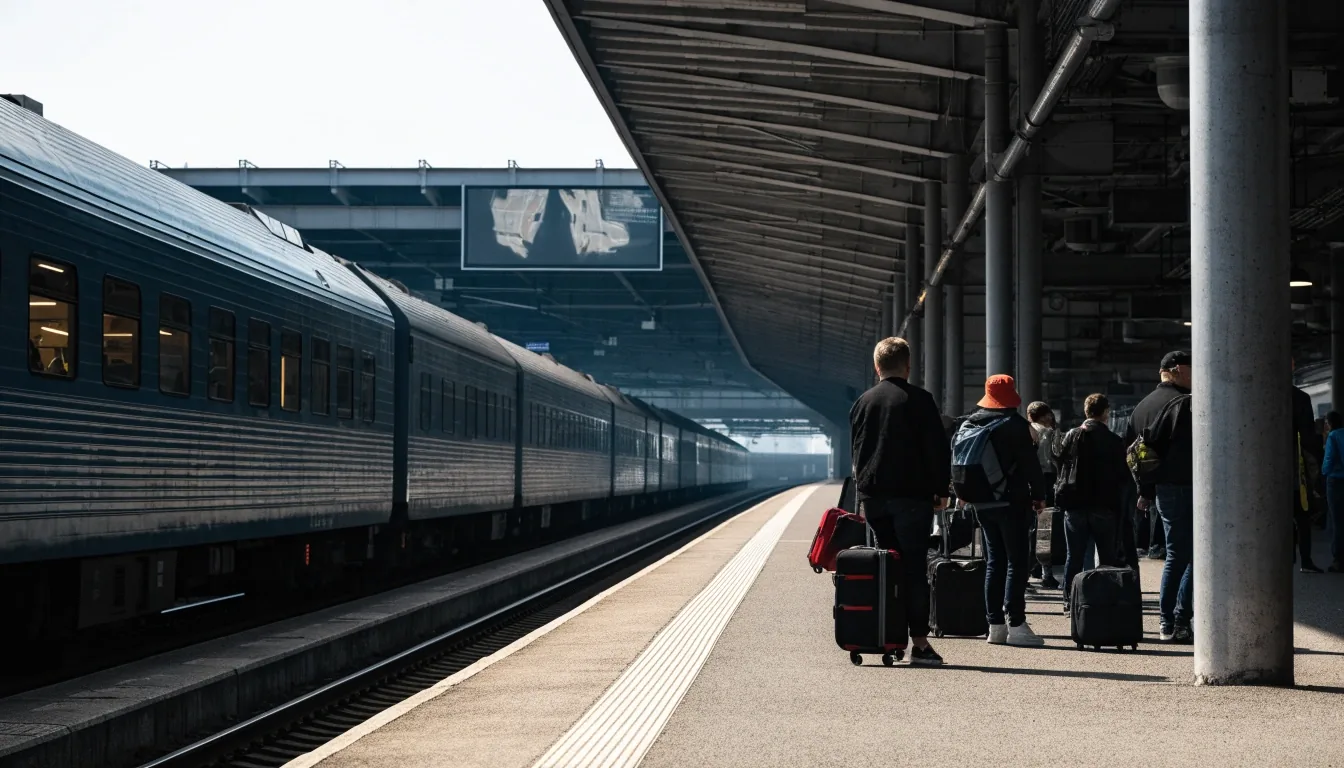
Praha hlavní nádraží · Praha, ÚAN Florenc · Brno
Prague Brno by bus and rail
This is the busiest corridor in Czechia, and the clearest place to see how coach and rail actually compete. Two stations, two modes, near-hourly departures — here is how to compare them without trusting a single search result.
Rail origin
Praha hlavní nádraží — in the centre, on the metro and tram network.
Coach origin
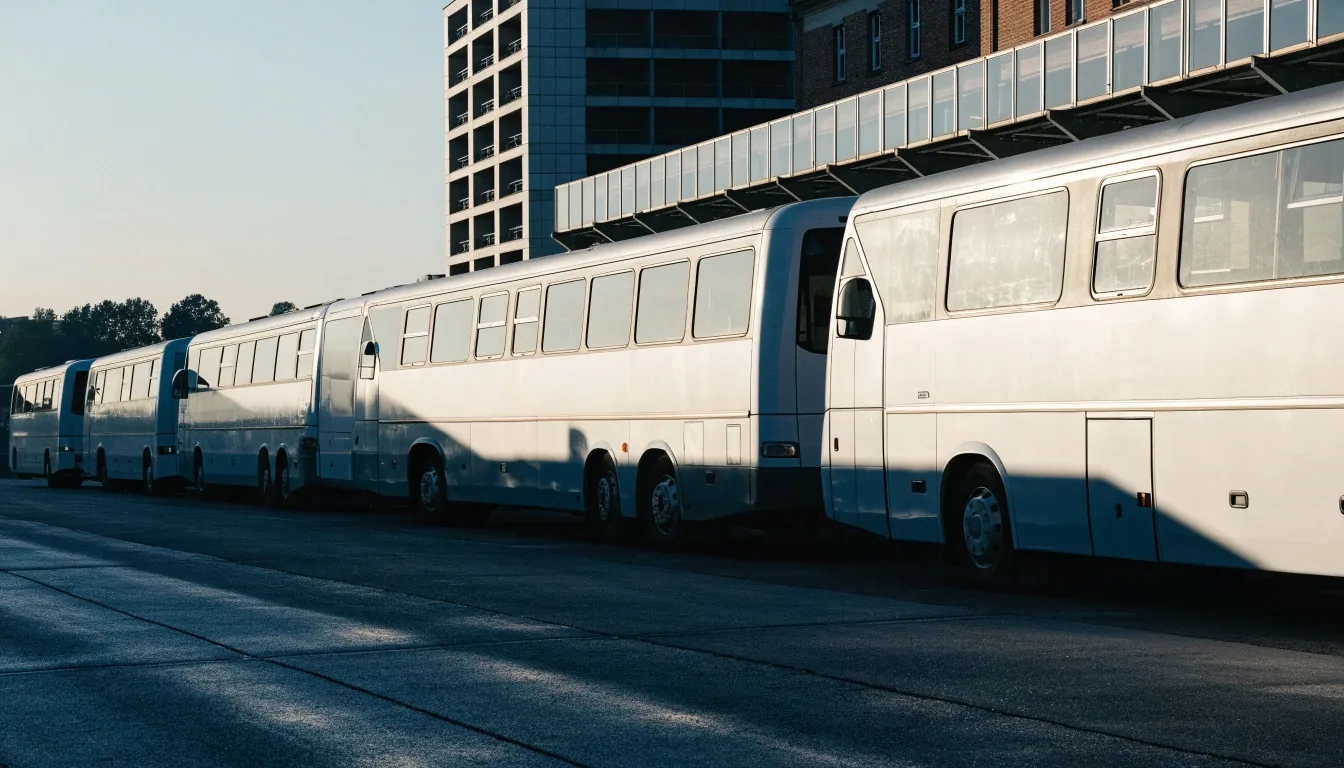
Praha, ÚAN Florenc — a separate terminal east of the centre.
Arrival in Brno
The coach station sits beside the railway station, minutes apart on foot.
What the corridor actually is
Praha–Brno links the Czech capital with the country's second city, and it carries enough demand to support near-hourly service on both rail and coach. That level of service is unusual outside a handful of trunk routes, and it changes how you plan: frequency, not scarcity, is the constraint.
Direct services from Praha, ÚAN Florenc appear throughout the day, with several operators rather than one timetable.
Because departures are frequent, the real decision is not whether you can travel but which station, mode and window actually fits your day.
Two starting points, two different cities
The rail origin, Praha hlavní nádraží, sits in the middle of Prague with metro and tram access. The bus origin, Praha, ÚAN Florenc, is a separate terminal east of the centre. They are not interchangeable, and the walk between them is long enough to matter.
You are already inside the tram and metro network. A regional train arriving from another Czech line can connect here without crossing the city at all.
You are on the metro B line, one stop from the centre, and coaches leave from the apron directly above the station hall.
Decide which one you can reach easily before you compare travel times, because a faster departure from the wrong station is not faster at all.
Journey times, and why they vary
Coach listings commonly show 2h35m to 3h20m on direct services. Rail times on the corridor are steadier because the line is fixed. If you compare a 2h35m bus against a slower train, remember the bus figure is the optimistic end of a range — look at the typical time, not the best case.
Train
| Typical journey time | 2h50m | |
|---|---|---|
| Departure rhythm | Hourly | |
| Departure point | hlavní nádraží | |
| Running time | Fixed |
Coach
| Typical journey time | 2h35–3h20 | |
|---|---|---|
| Departure rhythm | Throughout the day | |
| Departure point | ÚAN Florenc | |
| Running time | Traffic-dependent |
Figures here are the ranges Czech operators commonly publish on this corridor. Treat any single number as an estimate and confirm the timetable before you travel.
Frequency, and when to travel
Both modes run densely on weekday mornings and Friday afternoons. Sunday evening departures thin out in some directions.
- Tuesday morning The widest choice on the corridor. Both lanes run full frequency and you can usually pick a window that suits you.
- Friday afternoon Busy out of Prague in both modes. Reserve a seat on rail, and board early at Florenc if you have luggage.
- Sunday evening The thinnest window. If your plans are flexible by a day, shifting is often more useful than shifting by an hour.
Where the coach pulls ahead, and where rail does
Specific departure windows, and pick-up points beyond the centre
FlixBus and A-Express are both listed on the route, and multiple operators mean competitive departure times rather than a single schedule. Coaches can also serve pick-up points that rail cannot reach directly, which matters if your real origin is not the city centre.
On this city pair the coach terminal and the Brno railway station sit next to each other, so arrival is not the disadvantage people expect. That removes one of the classic reasons to avoid the bus.
Predictability, hourly departures, one less transfer
The train's strength on this corridor is consistency. Hourly departures, fixed running times and stations on the tram network make it easy to plan without checking a live map. Seat reservation on InterCity and Railjet services is standard and usually inexpensive.
For travelers connecting from another rail line, staying inside the rail network removes a transfer entirely.
Combination trips that use both
Some itineraries mix modes deliberately. You might take a regional train into Prague, cross to Florenc, and continue by coach, or arrive at the airport and take the rail link south.
These plans work, but each transfer needs realistic buffer time. Crossing Prague between Florenc and hlavní nádraží is a metro or tram ride — allow at least 45 minutes, more at peak.
If you are arriving by air, the airport rail link into Prague then a southbound service is a genuine option, as long as you leave room for immigration and luggage.
Booking each mode
Rail tickets come from České dráhy, either at the station or online, with advance pricing that varies by train. Buy early and the fare is usually lower; buy at the counter on the day and you pay the standard rate.
Coach tickets come from the operator running the departure you chose, not from Florenc itself. Booking through the operator's own site means your ticket and the timetable you saw match.
Aggregators help you see the whole picture, and Rome2Rio-style comparison views are useful for that early stage, when you are working out which mode fits. But the operator's own timetable is the source to trust at the moment of travel — anything else is a snapshot.
The advice has stayed stable for years
The corridor has supported competition between modes for years, and the practical guidance has not moved: rail for predictability, coach for specific departure windows and alternative pick-up points. New operators and timetable tweaks change details, not the structure.
That is why this route is a good first lesson in Czech regional travel. Get used to reading the two stations, the two timetables and the buffer between them, and everything you plan from here — faster trains, slower buses, cross-border connections — reads the same way.
What to check the day before
- 1 Confirm your departure station. Praha hlavní nádraží and Praha, ÚAN Florenc are not the same place.
- 2 Confirm your departure time. Timetables on the corridor are updated seasonally, so check the current one.
- 3 Confirm your arrival station in Brno. Coaches and trains arrive close together but not at the same address.
Then decide your fallback. On this corridor the next departure is usually within the hour, which is a luxury the regional branches do not have.
Rail on this corridor generally accepts standard luggage without booking, and marked services carry bicycles. Coach policy depends on the operator and the specific departure, so check before you buy if you are traveling with a bike or oversized bag.
On a busy Friday, boarding early at Florenc is the practical fix for luggage space, not a special request.
Questions travellers ask most
Short answers to the questions that come up most often on this corridor.
Is the bus or train better on Prague to Brno?
Neither wins outright. The train offers hourly departures from Praha hlavní nádraží with steady running times. Coaches from Praha, ÚAN Florenc give you specific departure windows and multiple operators. The station you can reach easily usually decides it.
How long does the Prague to Brno trip take?
Direct coach listings commonly show 2h35m to 3h20m. Rail times on the corridor are steadier because the route is fixed. Treat any single figure as an estimate and check the operator's timetable.
Do buses and trains arrive in the same place in Brno?
They arrive close together. Coaches typically reach Brno's main bus station, next to the railway station, so an onward transfer on foot takes a few minutes if you already hold both tickets.
Which station should I book from if I am coming in from another Czech town?
If your inbound service is a train, staying inside the rail network and connecting at hlavní nádraží usually removes a transfer. If your inbound arrival is a coach, Florenc is the natural continuation point.
Pick your lane and keep going
If the station you can reach easily is Florenc, start with the coach departures. If it is hlavní nádraží, or you are connecting from another rail line, the train timetable guide is the next page.
Where to go next